A credit with several possible responsibilities
“Produced by” names a creative responsibility for a recording, but it does not provide a complete daily job description. One producer may be deeply involved in song selection and arrangement; another may concentrate on performances, sonic direction or assembling the right team. Some play instruments, write songs or engineer. Others collaborate with specialists in those roles.
Begin with the actual credit and expand only as the evidence allows. Hearing a striking drum sound does not prove the producer personally played or recorded it. Seeing a producer’s name on an album does not mean they wrote every track. The useful question is what kind of recording the partnership creates, followed by what interviews and credits specifically establish about the work. That approach gives listeners a better understanding while allowing individual musicians, engineers and writers to retain their own contributions.
Lainey Wilson and Jay Joyce: one documented partnership
BMG’s official Whirlwind release identifies Jay Joyce as producer of Lainey Wilson’s 14-track album.1 That confirms the partnership without requiring speculation about each session. Use the title track beside a quieter selection and ask what makes them belong to the same record: vocal presence, instrumental space, rhythmic energy or the balance between familiar country textures and a broader production.
Those are editorial listening questions, not claims that one person chose every sound. Wilson remains the artist whose voice and identity organise the record. The producer’s contribution can be heard as a set of relationships around that identity, while the precise decisions require more detailed evidence. A coherent album may include considerable variation. Consistency does not have to mean using the same instruments or keeping every song at the same emotional temperature.
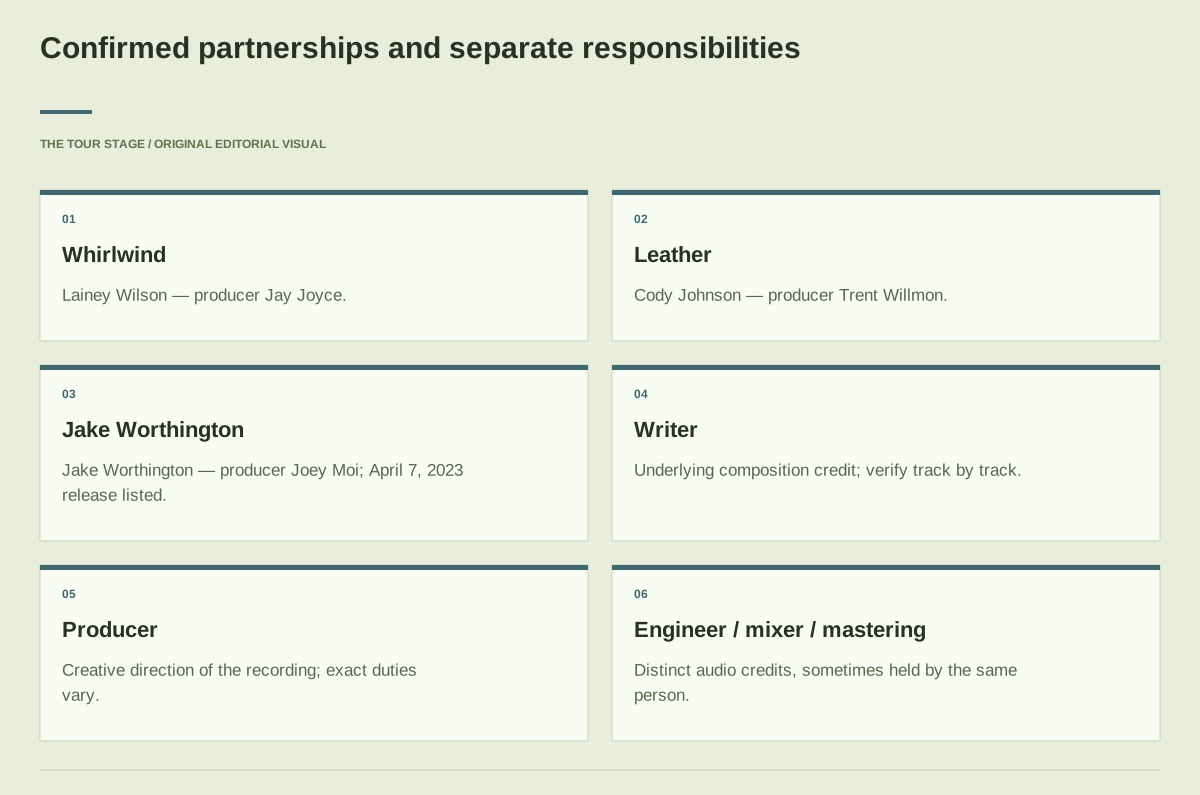
Confirmed partnerships and separate responsibilities
- WhirlwindLainey Wilson — producer Jay Joyce.
- LeatherCody Johnson — producer Trent Willmon.
- Jake WorthingtonJake Worthington — producer Joey Moi; April 7, 2023 release listed.
- WriterUnderlying composition credit; verify track by track.
- ProducerCreative direction of the recording; exact duties vary.
- Engineer / mixer / masteringDistinct audio credits, sometimes held by the same person.
Read the visual as text
- WhirlwindLainey Wilson — producer Jay Joyce.
- LeatherCody Johnson — producer Trent Willmon.
- Jake WorthingtonJake Worthington — producer Joey Moi; April 7, 2023 release listed.
- WriterUnderlying composition credit; verify track by track.
- ProducerCreative direction of the recording; exact duties vary.
- Engineer / mixer / masteringDistinct audio credits, sometimes held by the same person.
Cody Johnson and Trent Willmon: support for a vocal centre
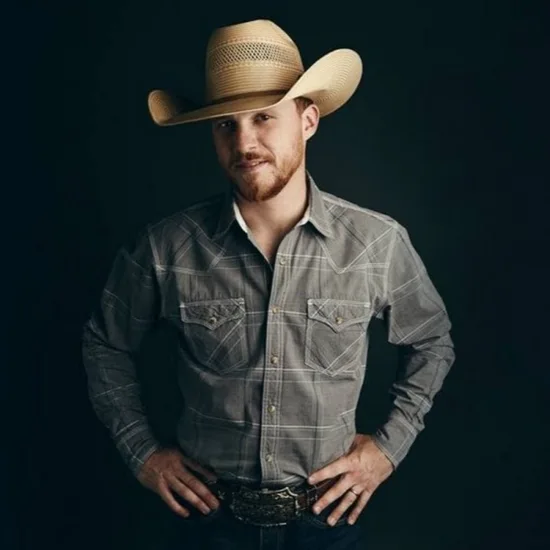
Cody Johnson’s official Leather announcement identifies Trent Willmon as producer.2 The collaboration supplies a contrasting listening case to Whirlwind. Start with “The Painter” and notice how the vocal remains intelligible as the instrumental arrangement develops. Describe the effect in terms of space and emphasis before guessing at the mechanics of the session.
A producer working with Johnson has a distinctive singer to frame, but that does not automatically imply one fixed formula for an entire catalogue. A record can preserve a strong vocal identity while changing the surrounding scale. Listen for transitions into choruses, the length of instrumental responses and the way a quieter passage prepares a larger one. These are audible results. They do not by themselves establish who first proposed a particular chord, which take was selected or whether the band tracked together.
Jake Worthington and Joey Moi: avoid the signature trap
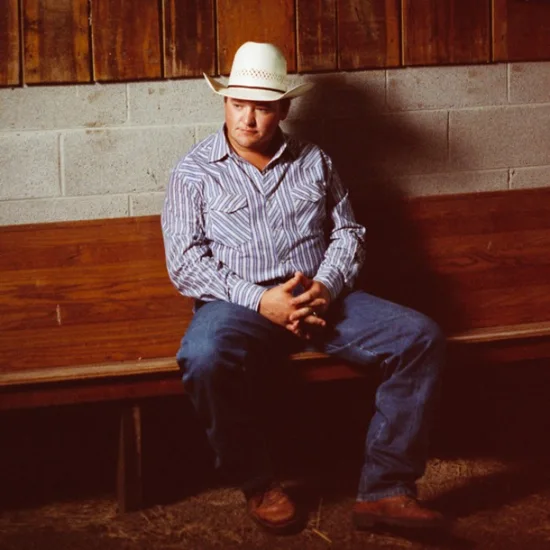
Joey Moi’s official discography lists Jake Worthington’s self-titled album with its April 7, 2023 release date.3 That makes it a useful reminder that a producer associated with one sound can work on records with different artistic aims. A reputation is context; it should not replace hearing the actual project.
With Worthington, listen to how the vocal, rhythm section and country instrumental colours sit together. Our editorial question is what the arrangement makes easier to notice. A voice might feel close and conversational in one passage, then be framed by a broader instrumental response. Avoid treating every producer as a preset that stamps an identical sonic mark onto each artist. The result comes from a partnership and a team. Individual producer histories are interesting precisely because the same professional can make different choices for different singers and songs.
Songwriting, production and engineering are separate columns
A songwriter contributes to the underlying composition. A producer helps shape the recording. An engineer handles recording or other audio processes, with mixing and mastering often separately credited. One person can occupy several columns, but the columns still matter. A songwriting credit on one track should not be silently extended to the whole album.
Think of a hypothetical song written by two people, sung by a third and produced by a fourth. No hierarchy follows automatically from that arrangement. The singer’s interpretation can be decisive even without authorship; the producer’s direction can be substantial without adding a lyric. The credit guide explains how to read those distinctions, and the songwriting-to-record process shows why the composition’s history is not identical to the master’s history. Clear language makes the collaboration more visible, rather than diminishing any participant.
The record can be shaped by what stays out
Listeners often identify production with the most conspicuous addition: a huge chorus, an unusual effect or a dramatic instrumental entrance. Restraint can be equally consequential. A sparse verse gives the singer room; a short fill leaves the next line clear; a restrained ending can keep the emotional tension unresolved. Those are arrangement effects, regardless of whether they originated with artist, producer or musician.
When comparing the three projects, make a note of one absence. Perhaps a passage avoids a full drum pattern or leaves the upper register unoccupied. Then listen for when that space is filled. The contrast may explain why a section feels larger without requiring a major increase in loudness. Production is experienced over time, not just as a snapshot of tones. The relationship between sections often matters more than any single impressive sound heard in isolation.
How to investigate a producer credit responsibly
Use the artist or label’s release page to confirm the partnership, then seek liner notes and interviews for detail. A producer’s own discography is valuable primary evidence of projects, although promotional language should not become an objective ranking of influence. Specific statements about a session are more useful than slogans about a signature sound.
Finally, listen across at least two songs before generalising about an album. Note what changes and what stays coherent. The examples here are starting points for that practice, not proof that three producers represent three permanent camps in country music. Follow guitar tone or vocal harmony when a particular element catches your ear. A good producer credit should lead to better questions about the record and its people, rather than becoming a substitute for the music itself.
Sources & further reading
- BMG: WhirlwindLainey Wilson album produced by Jay Joyce.
- Cody Johnson: Leather releaseOfficial release and Trent Willmon producer credit.
- Joey Moi official discographyJake Worthington self-titled album producer partnership and release date.